

1. Consider hardness
Mattresses come in different firmness levels, including soft, medium and firm. Seniors with arthritis or joint pain may prefer a firmer mattress that offers better support. For people without any physical problems, a softer mattress may be more comfortable.
2. Pay attention to durability
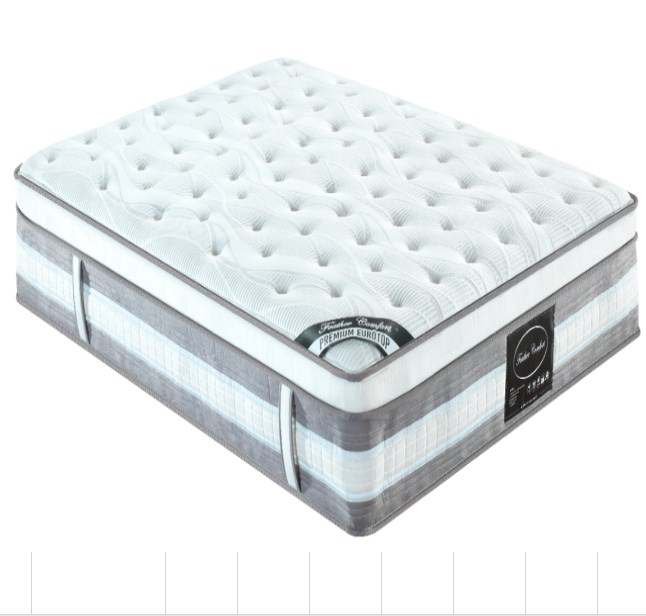
Mattresses can be a significant investment, so it's important to consider durability when purchasing. Look for a mattress made of durable, high-quality materials, such as the Euro Top mattress, which has an extra layer of cushioning and support.
3. Consider size
Older adults may find it difficult to get in and out of a bed that is too high or too low. Consider the overall height of the bed, including the mattress and bed frame. A low-profile bed may be easier to work with.
4. Look for breathability
Mattresses that are not breathable can cause discomfort and interfere with sleep. Look for a mattress made of a material that allows good airflow, such as a box spring. Memory foam can be comfortable, but can trap heat and cause sweating, which can be unpleasant.
5. Consider exercise isolation
If your partner moves a lot during the night, a mattress with good motion isolation can help ensure their movement doesn't disturb your sleep. Memory foam mattresses are great for motion isolation, while spring mattresses may not be as good.
In conclusion, there are many factors to consider when choosing a mattress, especially for older adults. Comfort and support, durability, size, breathability and motion isolation must be prioritized. By focusing on these factors, you can choose a mattress that will help optimize your sleep quality and keep you comfortable throughout the night.