

IGH POINT - Coming off two years of record growth driven by unprecedented consumer demand, mattress manufacturers are bracing for a mixed bag for the balance of 2022.
While demand for all things home remains high, mattress producers point to a number of things that could tap the brakes on sales for the category, including ongoing supply chain issues increased freight costs and an overall slowdown of the economy that could stymie consumer spending.
Still plagued by labor shortages, mattress companies are still working to fill empty factory positions to keep production flowing at a fast clip to keep up with orders. Those labor constraints - a pinch point for employers across all industries - are likely to continue throughout the rest of the year, forcing companies to get creative with hiring and employee retention strategies.
The consensus for the rest of the year is that the bedding category will continue to grow at a much slower rate, and the year-over-year comparison of 2022 against 2021 won`t look nearly as impressive as the growth curve from 2020 to 2021
Bill Hammer, president of Shifman Mattresses, said the company is looking at double-digit growth this year but not at the same pace it posted last year. The luxury sleep segment continues to grow with the luxury consumer better equipped to weather economic fluctuations, Hammer said.
[For the bedding category overall, however, I expect it to be flat," he said. [People are starting to travel again, and they are spending on other things outside of the home. Inflation and its impact on the economy will slow things down. We need a little softening to allow the supply chain to return to a healthy state. Our expectations for the year are different, but at the same time we need a correction."
Bill Hammer, president of Shifman Mattresses, said the company is looking at double-digit growth this year but not at the same pace it posted last year. The luxury sleep segment continues to grow with the luxury consumer better equipped to weather economic fluctuations, Hammer said.
[For the bedding category overall, however, I expect it to be flat," he said. [People are starting to travel again, and they are spending on other things outside of the home. Inflation and its impact on the economy will slow things down. We need a little softening to allow the supply chain to return to a healthy state. Our expectations for the year are different, but at the same time we need a correction."
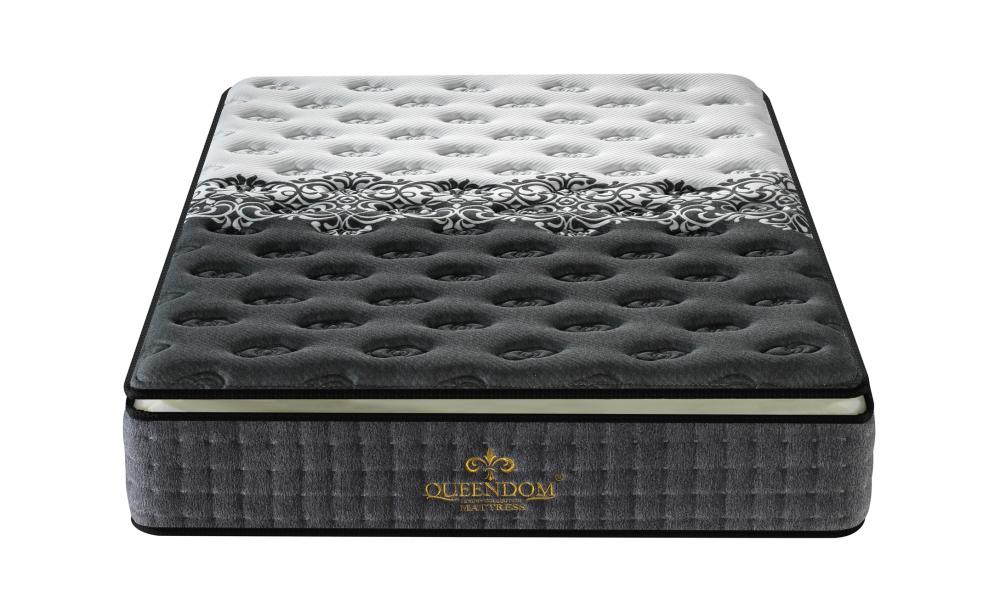
David Binke, CEO of King Koil, said he doesn`t expect to see explosive growth this year, he does expects steady increases as average unit selling prices continue to climb.
[If we don`t have supply chain issues or anything like that, I think we will be OK," he said. [The labor market remains tight, but we have been fortunate in holding onto our employees. We have gotten through challenging times, and we have invested in the brand."
Like other bedding manufacturers, Binke said retailers are looking for new products to enhance their showrooms and that includes a shift in price points.
King Koil has moved beyond the under-$1,000 segment, and Binke said the company no longer manufactures mattresses below that mark. Instead, it has elected to focus on the ultra-premium landscape between $1,700 and $4,000 and luxury segment at higher price points where the manufacturer is seeing significant consumer interest.
Luxury mattress brand E.S. Kluft & Co. is also seeing the premium sleep category continue to post gains. [We want to continue to ride that out" this year, said Jon Stowe, managing director for the company, adding, [We refuse to engineer our products down to deal with ongoing material increases. We refuse to skimp on quality. Today, the luxury price point starts at $3,000 instead of $2,000 because of the cost of materials."
Stowe said, looking ahead to the rest of the year, the things that keep management up at night are the factors that are out of its control. Challenges like politics that impact retail or the overall economy.
This year has had its share of challenges, said Frank Hood, president and CEO of Kingsdown, adding that transportation costs remain tough. He predicts that issue to continue over a 24-month horizon. He also cited raw materials, logistics and inflation as hurdles the industry will continue to face, but he is optimistic that the bedding segment will remain strong for the rest of the year.
[We will see a softening of tertiary demand for things like automobiles, but people are still moving out of the homes," Hood said. [The flexibility that people have in working from home has allowed for a lot of home buying, and that helps drive bedding."
Southerland President and CEO Bryan Smith is optimistic about the rest of the year.
[We`re looking forward to a positive year," he said. [It may not be at the same momentum as we saw last year, but we still see decent growth. We have a lot of positives to look forward to."
SMith does expect a mixed back of factors playing into the rest of the year. Labor, he said, has improved, while raw materials remain volatile.
[What the economic policy is from Washington will also impact the balance of the year," Smith said. [That could create some turbulence, depending on what it looks like."
Inflation worries
Concerns about inflation and the impact it could have on consumer budgets are growing among executives.
[For 2022, we are hopeful but uncertain given ongoing labor challenges and price increases that continue," said Susan Mathes, vice president of brand relations for Therapedic International. [Inflation remains a concern that has been on the horizon, and we are all aware of it. It`s now beginning to hit the consumer`s pocketbook; the amount of money that consumer have available to spend is shrinking."
Mathes said if the Federal Reserve raises interest rates later this year, consumers will be looking for alternative financing, and that could impact business.
[Our industry has benefited from pent-up demand during the pandemic," she said. [Everyone is wondering and watching to see where that level of demand will go. Has that demand been met? We don`t sell a product that people buy every year."
Bob McCarthy, managing director for retail with Resident Home, sees a [tough" first half of the year as the omicron variant of COVID-19 remains and the unstable geopolitical climate with Russia`s pending invasion of Ukraine looming. The economy, he said, remains tenuous.
[The disposable income from the stimulus checks is gone, and that will have an impact," McCarthy said. [Demand for mattresses was pulled forward, which means some of that demand has now been sated."
For the balance of the year, Corsicana Mattress Co.`s management team is focused on [running the business, not transforming it," according to Michael Thompson, Corsicana CEO. [This is a big year for us to deliver to the bottom line."
Thompson said inflation will be the moderating factor for the rest of 2022, and he says consumer debt is incredibly high, which will impact their ability to spend on mattresses and other discretionary goods.
He predicts a slowdown ahead as consumers start to feel challenged with debt and become more concerned over the economy, and he points to a flat first quarter and anecdotal stories from retailers that business in January was soft.
[We`ve been preparing for this slowdown by designing and developing products that make sense for a tighter economy," Thompson said. [We have consolidated our manufacturing while launching new products. Now, we`re in a good position to ride out what, I think, will be very challenging times ahead."
Funky freight costs
Container prices remain at industry highs with importers looking at creative ways to manage those costs. Some executives predict container costs could climb beyond the $30,000 mark during 2022.
Mark Akerman, president of Klaussner`s Enso Sleep Systems, said the company`s tri-fold adjustable bed bases allow the company to ship 30% more on a container, which allows the company offset the freight costs.
[Maybe by the fourth quarter we will see some relief in those costs," he said. [We`re trying to address the freight rate by looking at alternative manufacturing in North America, as well."
Enso has had a strong start to the year; however, Akerman said he is concerned that if container prices hit $30,000, the industry will price itself out of the consumer market. [That will definitely test demand," he said. The company sources adjustable bed bases from Thailand and Vietnam and non-adjustable products out of Turkey.
Like other companies that source product and components off shore, Reverie stepped up its game to navigate supply chain challenges over the past two years. Martin Rawls-Meehan, CEO of Reverie, said the company`s deep relationships with its partners have helped Reverie stay on top of supply issues.
[It`s definitely our strength," he said, adding that the company creates its own designs to stay ahead of things like chip shortages that impacted the industry as well as other manufacturing segments. [In today`s climate, you have to stay six months ahead. It`s a level of complexity that requires investment and understanding."
Rawls-Meehan expects supply chain problems to continue but sees shipping and freight challenges easing. On the macro side, he said interest rates, consumer confidence and the stock market could impact business for the rest of the year.